
SCP Foundation — What Is It: Description, History, Object Classes and the Most Famous SCPs
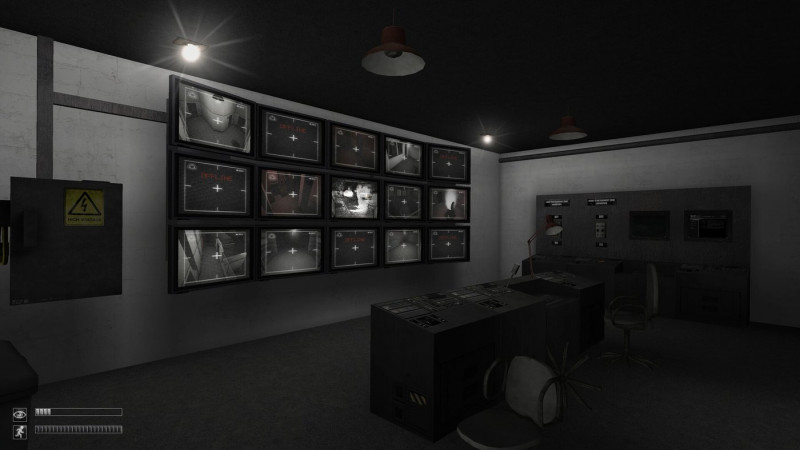
SCP Foundation (motto: Secure, Contain, Protect) is a collaborative horror-fiction project and one of the largest of its kind on the internet: several thousand fictional "anomalous objects", creatures and phenomena documented in the style of classified reports by a secret organization. The Foundation is fictional — but it is written so convincingly that newcomers regularly google: "is SCP real?"
How it all began: the history of SCP
The universe was born in 2007 on the 4chan imageboard in the /x/ (paranormal) board. The first was SCP-173 — a sculpture that only moves when no one is looking at it and snaps the neck of anyone who blinks. An anonymous author (known as Moto42) wrote a short "report" on the object's containment procedures — no story, no heroes, just dry official documentation. This clinical tone became the signature SCP style.
The audience instantly got the idea: SCP-002, SCP-003 and so on began to appear. Soon the project moved to the Wikidot platform (scp-wiki.wikidot.com), where it lives to this day. The community developed rules: anyone can try their hand as an author, texts are put to a public vote, and those that fail (with low ratings) are deleted. Over the years more than 7,000 main objects have accumulated (Series I–VII) plus tales, explorations and incident reports.
A separate detail is the license. The entire SCP canon is distributed under CC BY-SA 3.0: the material can be freely copied and reworked, but with attribution. That is why there are so many games, videos and merch around SCP — and why all official images carry attribution.
How the Foundation works inside the fictional universe
The SCP Foundation is a clandestine organization operating beyond national borders and authorities. Its task: to find anomalies, contain them (not necessarily destroy them — more often simply prevent them from harming humanity) and study them. The Foundation hierarchy:
- The O5 Council — 13 people at the top who know practically everything.
- Personnel — researchers, agents, security staff.
- Mobile Task Forces (MTF) — special units for capturing anomalies, each with its own profile (for example, "Nine-Tailed Fox" — the elite for the most dangerous objects).
- Class-D — "expendable personnel" for the deadliest experiments. The fate of Class-D personnel is one of the most discussed moral aspects of the universe.
What an SCP entry consists of
Each object is a card following a strict template: item number, object class, special containment procedures (what to do so the object does not escape) and description (what it actually is). The class is not a measure of "evil" but of containment difficulty:
| Class | What it means | Example |
|---|---|---|
| Safe | Easy to contain; not dangerous by itself if left alone | SCP-999 |
| Euclid | Unpredictable, behavior not fully understood — the standard for most objects | SCP-173 |
| Keter | Extremely difficult to contain, a threat to humanity | SCP-682 |
| Thaumiel | So dangerous it is used against other anomalies | SCP-3000 |
| Apollyon | Impossible to contain — the end of the world is in progress | SCP-2317 |
| Neutralized | The object has lost its anomalous properties | — |
The most famous SCP objects
- SCP-173 — "The Sculpture": the first and most famous. It moves when unobserved. Blink — and die. The photo in the article is a real work by Japanese artist Izumi Kato (which is why the image is used with restrictions).
- SCP-096 — "The Shy Guy": if you see its face — even in a photo or video — it will find you anywhere in the world. Nothing will stop it.
- SCP-682 — "Hard-to-Destroy Reptile": a lizard that hates all life. The Foundation has tried everything on it — it survives and adapts.
- SCP-049 — "The Plague Doctor": believes people have "the plague" and "cures" them — turning them into zombie-like creatures.
- SCP-106 — "The Old Man": a rotting humanoid that walks through walls and drags victims into a pocket dimension.
- SCP-999 — "The Tickle Monster": an orange blob that hugs and tickles. The kindest object in the Foundation — and its confrontation with SCP-682 is legendary.
- SCP-3008 — the infinite IKEA: a store you cannot leave, where lost shoppers build a civilization among Swedish sofas.
- SCP-914 — "The Clockworks": a machine that improves or ruins any object by unpredictable rules.
- SCP-001 — not one object but dozens of competing "first objects": every author can propose their own version of the Foundation's origin.
Games set in the SCP universe
SCP was born on the internet and lives happily in games:
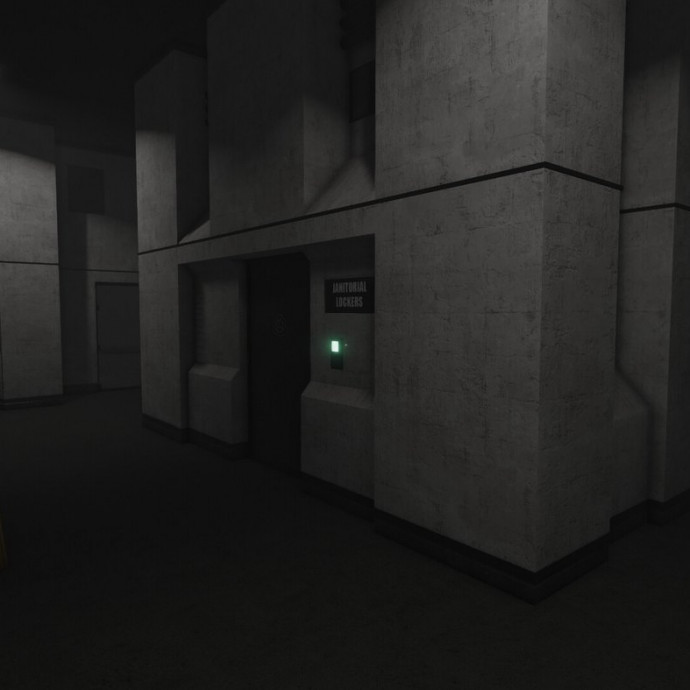
- SCP – Containment Breach (2012) — a free indie horror that became a classic: you are Class-D personnel during a containment breach. The whole internet has SCP-173 memorized by heart.
- SCP: Secret Laboratory — multiplayer horror: scientists, Class-D, military and the anomalies themselves (you can play as 096 or 939) in one facility.
- SCP: 5K — a modern co-op shooter with a serious budget.
- SCP: Unity and dozens of fan projects — the community keeps producing games (the license allows it).
Frequently asked questions about SCP
Is SCP real?
No. It is a fictional universe written by thousands of authors from around the world. The sense of reality comes from the style: no "once upon a time", only reports, protocols and references to nonexistent documents.
Who writes SCP?
Anyone. Register on Wikidot, study the rules and publish a draft. The community votes: if people like it, the object stays; if not, it is deleted. That is how the best texts are selected.
Where should I start reading?
With the wiki's top-rated list or "where to start as a beginner" guides. The classics: SCP-173, 096, 682, 3008, 2317 — and then follow the links inside the articles: cross-references connect thousands of objects into a single network.
What do the classes Safe, Euclid and Keter mean?
They indicate containment difficulty, not danger. A bomb in a box is Safe. A cat that teleports unpredictably is Euclid. A creature that breaks any cameras is Keter.
Can I use SCP in my own projects?
Yes, the entire canon is under CC BY-SA 3.0: you can write stories, make games, monetize — but you must credit the original object's author and distribute under the same license.
Why does SCP-173 have a special story with its image?
The photograph is a real sculpture by Izumi Kato. The artist granted rights for non-commercial use specifically for SCP, so the 173 image cannot be used in commercial products — and in the game Containment Breach the sculpture was redrawn from scratch.
What does "there is no canon" mean?
The Foundation's official position: no single canon exists. Contradictory articles do not contradict each other — every reader assembles their own version of the universe. That is why the O5 Council are heroes in one tale and monsters in another.
Who are Doctor Clef, Bright and the others?
Characters born from the early authors' autobiographical jokes — they became legends: Doctor Bright (the immortal unhinged scientist) is the most famous.
Interesting facts
- The oldest article (SCP-173) has thousands of votes and tens of thousands of comments — the wiki's record holder.
- Objects are numbered not by importance but by publication order — which is why SCP-5000 is usually less known than SCP-096.
- The "Antimemetics Division" storyline (a war against an invisible enemy that erases memory) is considered one of the best arcs in the project.
- SCP-3008 became so beloved that it received its own fan games and almost a screen adaptation.
In conclusion
SCP Foundation is a unique experiment: for almost 20 years an internet community has been building a shared universe with no single author and no single plot. It is simultaneously an archive of horror, a platform for aspiring writers and a treasure trove of ideas for games. If you love horror "from a secret archive" — start with SCP-173 and the wiki's top-rated list: evenings of reading are guaranteed.
This material is informational. SCP Foundation is a fictional universe; all objects, organizations and characters are works of the author community.