
The Witcher 3: A Beginner's Guide (2026)
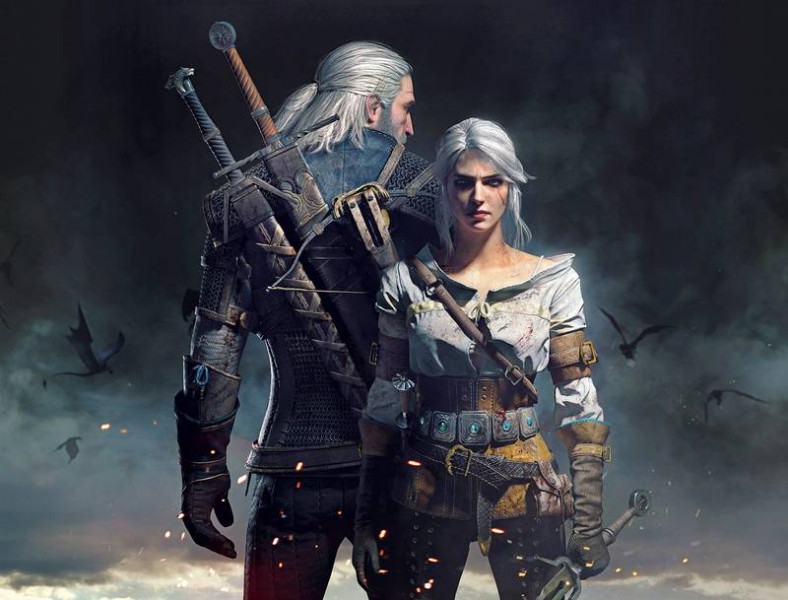
What Is The Witcher 3: Wild Hunt
The Witcher 3 is an open-world game with hundreds of quests and one of the best stories in the RPG genre, developed by CD PROJEKT RED. Geralt of Rivia, a witcher and monster hunter, is searching for his adopted daughter, Ciri, who is being hunted by the Wild Hunt. The game thrives on its quests: even the side quests here are fully fleshed-out stories with moral choices, and the two expansions (Hearts of Stone and Blood and Wine) are just as good as the main game.
Where to Start as a New Player
- Complete the tutorial in Kaer Morhen and don’t leave the White Garden—the starting location teaches you everything: Signs, alchemy, and the Witcher’s Senses.
- Read the bestiary—every monster has a weakness to a specific oil, sign, and bomb.
- Take monster bounties from the bulletin boards—Witcher contracts pay the best and offer the most interesting hunts.
- Don’t mess with red-level enemies—the game gives you a fair warning about enemies that are too strong.
Characters and Romance
The Witcher’s world is built on charismatic heroes—and on the gaming industry’s premier love triangle:

- Yennefer of Vengerberg—a powerful sorceress and Geralt’s “true love.” Her storyline unfolds through the “Last Wish” quest on Skellige: to save the relationship, confess your love after destroying the genie.
- Triss Merigold—a warm and caring sorceress from Novigrad. Her story arc is resolved in “Now or Never”: ask her to stay, and Triss will return to the lighthouse.
- You can’t choose both—trying to romance both sorceresses will end in the famous scene with handcuffs and loneliness.
- Ciri, Lyutik, Lambert, and Vesemir—the Wolf’s Family; their fates depend on your decisions in key chapters.
Combat system: swords, signs, alchemy
A steel sword is for humans, a silver one is for monsters (the game automatically selects the appropriate one). Keys to victory:
- Kven—a shield that absorbs blows: keep it active at all times.
- Dodging is more important than blocking—rolling past an attack is safer than parrying against heavy enemies.
- Oils and potions—before a duel, coat your blade with the appropriate oil: damage increases by 25–50%.
- Igni and Axii — fire for crowds, mind control for duels and dialogues.
Leveling and Gear
Allocate skill points to a single branch: combat (fast/powerful attacks), Signs, or Alchemy. Mutagens enhance related skills—place them in slots of the same color. The best armor is the school sets (Griffin, Cat, Bear, Wolf): blueprints are scattered throughout the world as “Witcher Antiquities” quests—pick them up from armorers and collect them; they remain usable throughout the game and can be upgraded to Grandmaster level in Toussaint.
Video: The Witcher 3 Remastered Trailer
The World and Expansions
After Novigrad, head to Skellige—it has the most beautiful scenery and the best side quests. Play the “Hearts of Stone” expansion (the story of Olgierd von Everec) after reaching level 30, and “Blood and Wine” after the main story ends: Toussent is a separate map about one-third the size of the main game and offers the best ending for Geralt. And don’t forget about Gwent—the card game within the game is just as addictive as the main story.
Common Beginner Mistakes
- Avoiding alchemy—without oils and potions, the “To the Death” difficulty is unbeatable.
- Selling blueprints and ingredients—keep everything in a stash; it’ll come in handy.
- Ignoring side quests—they give more experience than the main story and affect the ending.
- Rushing through the main story and skipping question marks—the best gear is hidden in ruined forts and underwater.
Conclusion
The Witcher 3 never gets old: ten years later, it’s still the gold standard for story-driven RPGs, and the remaster and new expansions bring even veterans back to the Way. Choose a sorceress with all your heart, read the bestiary, meditate by the campfires—and may the road lead you to Toussaint.