
Europa Universalis IV: A Beginner's Guide (2026)
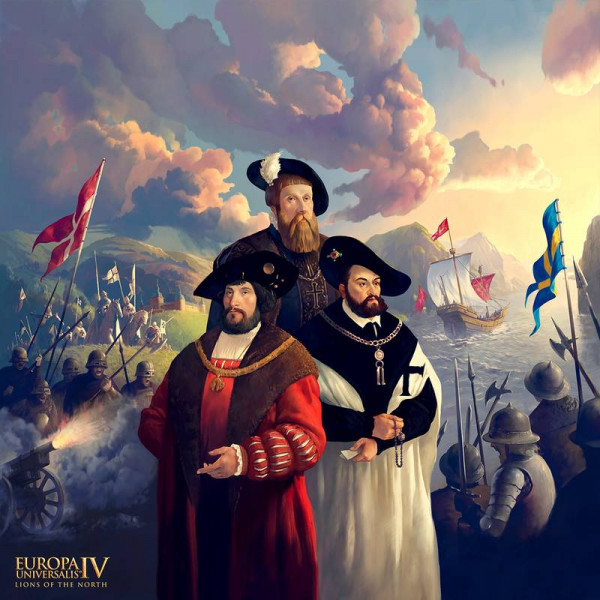
What Is Europa Universalis IV
Europa Universalis IV is a global strategy game from Paradox Interactive set in the era from 1444 to 1821: from the late Middle Ages through the Renaissance and colonization to the Napoleonic Wars. You control any nation on the planet—trade, conduct diplomacy, colonize the New World, and wage war for hegemony in Europe. This is the most “board game-like” of all Paradox titles: hundreds of nations, dozens of mechanics, and nearly limitless freedom—from world domination as France to a trading empire as Lübeck.
The Monarch’s Three Currencies
The foundation of EU4 is monarch points, generated by your ruler and advisors:
| Points | What they’re spent on |
|---|---|
| Diplomatic (DIP) | Diplomatic technologies, ideas, annexation of vassals, culture, peace treaties |
| Administrative (ADM) | Administrative technologies, province coordination, stability, ideas, infrastructure expansion |
| Military (MIL) | Military technologies, generals, suppressing rebellions, doctrines |
The main rule for beginners: Technologies are more important than ideas at the start—falling behind by 1–2 levels in military technology means losing wars. Integrate new provinces immediately after conquering them; otherwise, they’ll contribute little and rebel.
Choosing a Country for Your First Game
- France—the strongest army in Europe, rich provinces, weak neighbors. The best starting point.
- Castile—colonization, accession to Portugal, and gold from the New World.
- The Ottoman Empire—powerful units and a path to Vienna; it’s forgiving of mistakes.
- Austria—diplomacy, Holy Roman Emperor, personal unions.
- Portugal—a peaceful colonial campaign under Castile’s protection.
Don’t choose the small German principalities or countries sandwiched between the great powers for your first game—those require diplomatic experience.
Economy and Trade
Revenue comes from taxes, production, and trade. Trade is the main source of wealth: place merchants at key nodes, direct trade flows to your home node, and collect them there. Build structures thoughtfully: churches and workshops take decades to pay for themselves—do the math. Keep inflation under control (gold mines fuel it), avoid taking on unnecessary loans, and monitor your army’s upkeep during peacetime—you can lower the slider.
Diplomacy: Alliances, Coalitions, Aggressive Expansion
Diplomacy is more important than war. Two or three strong allies (ideally, the enemies of your enemies) will protect you better than any fortresses. Key limitations on conquest:
- Aggressive Expansion (AE)—the more territory you take, the more your neighbors will hate you.
- Coalitions—if you overdo AE, half the continent will unite against you. Conquer in stages, alternate directions, and improve relations.
- Overextension—don’t expand beyond 100%: rebellions and penalties will paralyze your country.
- Treaties—Breaking them destroys trust and stability; plan your wars for after they end.
War and Ideological Groups
Wars are won by generals (created with MIL points), terrain, and discipline. Attack with numerical superiority; don’t storm fortresses head-on—lay siege instead. Defeat your enemies one by one, and in the peace treaty, demand money and key provinces—not “everything in sight.” For beginners, here are the idea groups: first, choose “Administrative” (cheaper than “Corruption”) or “Diplomatic” for a diplomatic playstyle; for military, choose “Quality” or “Offensive.” Ideas define a country’s long-term specialization—choose them based on your playstyle.
Common beginner mistakes
- Falling behind in military technology in favor of ideas leads to defeat.
- Waging war without allies and while overextended leads to rebellions at home and a coalition against you abroad.
- Ignoring the Republicans’ legitimacy, prestige, and influence—they determine penalties for the entire country.
- Hiring advisors beyond the budget—bankruptcy is worse than falling behind.
Conclusion
EU4 intimidates you with its interface for the first ten hours, then steals hundreds more: every playthrough is an alternative history that you write yourself. Start with France, keep your technology up to par, keep your allies close, and keep your ambitions within the bounds of aggressive expansion. See you in 1821.