
Bloodborne: A Detailed Guide for Beginners (2026)
Information current as of August 2026.
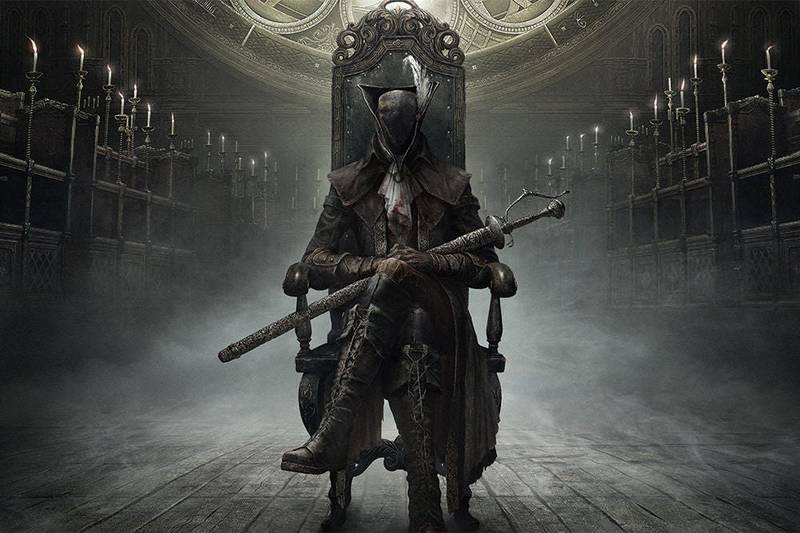
Bloodborne (2015) is a PlayStation exclusive from FromSoftware that transplants the Dark Souls formula to the Victorian city of Yarnam, which is ravaged by a beast plague. The game is faster and more aggressive than the “Souls” series: there are no shields, and dodging and counterattacks are the keys to survival. Many consider Bloodborne to be the studio’s best game. This guide will help newcomers survive their first night of the hunt.
How Bloodborne Differs from Dark Souls
- No shields (almost)—instead of blocking, you dodge and counter with a shot;
- The Rally System: After taking damage, you have a couple of seconds to regain lost health by counterattacking. If you get hit, don’t run—strike back;
- Dodge — a quick step while locking onto a target and a roll without locking on; both have frames of invulnerability;
- Blood Bubbles—a consumable healing item that replaces the Estus Flask: they can be looted from enemies or purchased with Echoes;
- Transformable Weapons: Each weapon has two modes (L1)—light and heavy. This accounts for half the depth of combat.
Starting Weapons and Firearms
At the start, choose one of three right-hand weapons and a left-hand pistol:
| Weapons | Modes | Best for |
|---|---|---|
| Saw Cleaver | Folding Saw / Long Saw | Best Choice for Beginners: Fast, high damage against animals |
| Hunting Axe | One-handed / two-handed with a wide swing | For fans of heavy hits and crowd control |
| Carved cane | Staff / Whip | Fast combos and long range, slightly lower damage |
For firearms, choose the Hunter’s Pistol—it’s not for damage, but for a counterattack (parrying with a shot): firing at the moment an enemy attacks stuns them and triggers a visceral attack with massive damage. Practice on the trolls near the first lantern.
Stats: What to Level Up
| Stat | Effect | Priority |
|---|---|---|
| Vitality | Health | No. 1 — Target 30–50 |
| Endurance | Stamina | Average — 15–20 is sufficient |
| Strength / Agility (Skill) | Weapon Damage | For the selected weapon, one of two |
| Bloodtinge | Damage from firearms and special weapons | For special builds |
| Arcane | Magical Instruments | For specialized builds |
As in "Souls," damage increases primarily through weapon upgrades from the master at the Hunter's Dream and through blood gems that are socketed into weapons.
Walkthrough: First Half
- Central Yarnam — explore the city, discover shortcuts, bosses: Beast Priest and Father Gascoigne;
- Cathedral Quarter—after defeating Gascoigne, the main story branch opens; boss: Vicar Amelia;
- Forbidden Forest—a long area; boss: Shadow of Yarnam;
- Bürgenwert School → Shore of Mist — Rom, Hollow Spider;
- Next: Yargul, The Invisible Village → Mensis’s Nightmare → final areas.
Important: After defeating Amelia, night falls—the world changes, and new enemies and paths appear. Return to the old locations.
Echo Economy and Consumables
- Blood Echoes (experience/currency) left behind upon death remain in place or are picked up by enemies—track the carrier by their glowing eyes;
- Blood Bubbles: Buy them from emissaries in the Hub when you’ve accumulated enough—20 bubbles in reserve for a boss fight is standard;
- Mercury bullets share the health bar with healing—make sure you have enough left for parries;
- Oil and Molotov cocktails are effective against beasts—most of Yharnam’s enemies are afraid of fire.
Key Bosses and Strategies
- Father Gascoigne—a test of aggression: stun him with the music box (a story item) and parries;
- Vicar Amelia—stay near her hind legs, heal her with salt, and attack her legs;
- The Shadows of Yarnam—three of them: kill the mage first, then control the distance;
- Rom—clear out the small spiders one by one; don’t rush toward the boss;
- German, the First Hunter—the final lesson in parrying and patience.
Chalices and Dungeons
After defeating the Bloodthirsty Beast (the blood werewolf in the Cathedral Quarter), you’ll receive your first Ptumeru Chalice—it unlocks procedural dungeons featuring unique bosses, the best blood gems, and ritual materials. Dungeons are Bloodborne’s endgame content: it’s worth venturing there after completing the main story to find the perfect gems for your build.
Tips for Beginners
- Play aggressively: Bloodborne rewards attacking rather than waiting—the Rally system restores health for counterattacks.
- Lock onto a target and sidestep around the enemy—this puts you behind them for a charged attack.
- A charged attack to the back (hold R2) stuns humanoid enemies—unlocking a visceral attack.
- An enemy stunned by a gunshot will fall—don’t confuse parrying with simply dealing damage with a pistol.
- Don’t be afraid to use up orbs and bullets: they replenish faster than your nerves will hold out.
- Learn the shortcuts: Yarnam’s gates and elevators turn boss runs into a minute’s walk.
- Most “impossible” fights are won with fire, lightning-infused paper (consumables), and patience while holding the right position.
Conclusion
Bloodborne is FromSoftware’s most stylish and thrilling game: Victorian horror, ingenious transforming weapons, and combat that rewards boldness. Start with the stiletto saw, learn to parry with a shot and play aggressively—and your first night of the hunt will keep you hooked for dozens of hours. The hunt is worth it.